Blind spots and head checks
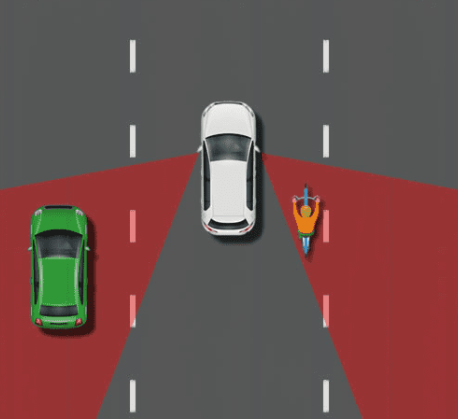
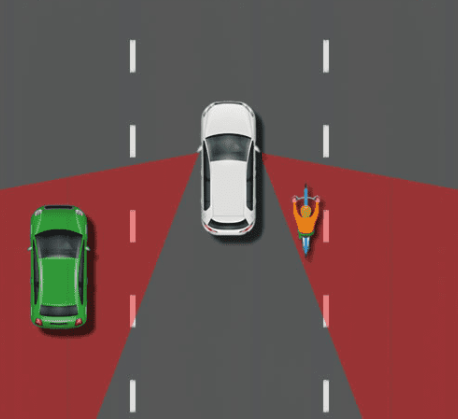
Hazards can appear anywhere, so it’s not enough to rely only on looking ahead and checking your mirrors. No matter how well your mirrors are adjusted, there will always be blind spots, these are areas around your vehicle that aren’t visible in the mirrors, such as beside the rear driver and passenger side doors.
To check these blind spots, you need to turn your head and briefly look over your shoulder to see things through the rear side windows, this is known as a "head check". Use head checks along with your mirrors to stay aware of everything around you when leaving a car park, changing lanes, merging or pulling out to overtake.
As a driver, it’s crucial to always know what’s happening around your vehicle. By regularly scanning your surroundings, you’ll be better able to anticipate hazards and respond safely.
When to Head Check:
Leaving the curb or car park.
Changing lanes & merging.
Before turning left.
How to Perform a Head Check:
Check your rearview and side mirrors.
Indicate in the direction you intend to move towards.
Quickly turn your head 90 Degrees to look over your shoulder toward the rear side window.
Check for any vehicles or bicycles and return your eyes to the road in front of you.
Move the vehicle if safe to do so.
Proudly servicing Bendigo and surrounding areas, including Kangaroo Flat, Eaglehawk, Epsom, Huntly, Strathfieldsaye, Maiden Gully, and more.